

4–8 Weeks: Cervicogenic Headache Treatment That Starts With SNAGs
Treat cervicogenic headache by treating the neck. Start with targeted physical therapy and manual therapy, since that’s what fixes the mechanical source rather than masking the pain. Analgesics can take the edge off short-term, and diagnostic nerve blocks confirm the neck is really the cause before anyone considers injections or procedures. Sudden severe onset, focal neurologic changes, or headache after neck trauma need urgent evaluation, not a home remedy.
TL;DR:
- Manual therapy techniques like SNAG mobilization and muscle strengthening exercises offer the most effective short-term relief for cervicogenic headaches, often over a four to eight-week course.
- Diagnosis relies heavily on provocation tests and nerve blocks, with imaging primarily ruling out structural issues, but a positive nerve block confirms cervical origin in most cases.
- Medications such as NSAIDs provide only short-term symptom relief and do not address the root mechanical problem, making physical therapy the preferred first-line treatment.
- Surgical intervention is extremely rare and reserved for cases with serious structural problems like instability or nerve compression that do not respond to conservative care.
- Home care focusing on heat application, posture correction, gentle movements, and scapular exercises can help reduce frequency and severity of attacks while pursuing professional treatment.
Table of Contents
- What Is Cervicogenic Headache Treatment Actually Fixing?
- How Do Doctors Diagnose a Cervicogenic Headache?
- First-Line Treatment: Manual Therapy and Exercise
- Do Medications and Injections Actually Help?
- When Is Surgery Considered for Neck-Origin Headaches?
- What Can You Do at Home Right Now?
- Who Should You See First, and What Should You Ask?
- Integrating Hands-On Care With Rehab: A Clinical View
- How The Tx Room Approaches Neck-Origin Headaches
- Sources
- FAQ
What Is Cervicogenic Headache Treatment Actually Fixing?
A cervicogenic headache isn’t a headache that happens to sit near your neck. It’s a headache caused by a structural or functional problem in the cervical spine, referred upward into the head through shared nerve pathways. The ICHD-3 diagnostic criteria define it by a clear temporal relationship to a cervical disorder, improvement when that disorder is treated, and abolition of the headache with a diagnostic nerve block.
The pattern is usually recognizable once you know what to look for:
- Pain that stays on one side of the head, session after session, rather than switching sides
- Pain that starts at the base of the skull and radiates toward the temple, forehead, or behind the eye
- Headaches triggered or worsened by neck movement, sustained postures, or pressing on specific neck spots
- A noticeably reduced range of motion in the neck, especially rotation
- Occasional referred pain into the shoulder or arm on the affected side
That side-locked, movement-triggered quality is what separates it from migraine, which tends to pulse, often comes with nausea and light sensitivity, and can switch sides between attacks. Tension-type headache usually feels like a band of pressure around the whole head rather than a source you can point to at the base of the skull. Misreading a neck-origin headache as migraine is common, and it’s a big reason people cycle through medications that never touch the root problem. Cleveland Clinic’s overview makes the same point: because the headache is secondary to something happening in the neck, treatment has to address the neck itself, not just the pain signal.
How Do Doctors Diagnose a Cervicogenic Headache?
Diagnosis starts with a detailed history and a physical exam built around provocation. A clinician will check active and passive neck rotation, palpate the upper cervical joints (particularly C1 through C3), and see whether specific neck pressure reproduces your headache pattern. If pressing on the neck brings on the familiar pain, that’s a strong clue the neck is the generator.
Imaging plays a supporting role, not a starring one. MRI or X-ray can rule out fractures, disc herniation, tumors, or instability, but a “normal” scan doesn’t rule out cervicogenic headache. Many patients with clear cervicogenic symptoms have unremarkable imaging, since the problem is often more about joint mechanics and muscle patterning than visible structural damage. Imaging becomes more important, not less, when red flags are present.
The most decisive test is a diagnostic nerve block. A clinician injects a local anesthetic around a specific cervical nerve, usually the greater occipital or third occipital nerve, and watches whether the headache disappears. StatPearls notes that this dual diagnostic and therapeutic role makes blocks one of the more useful confirmatory tools available: if the headache resolves, the cervical origin is essentially confirmed.
A positive block isn’t a guaranteed answer, though. Relief can be partial, temporary, or influenced by placebo response, so clinicians weigh the result against the whole clinical picture rather than treating one good injection as proof.
Before settling on a cervicogenic diagnosis, most clinicians run through a short differential checklist:
- Migraine (switches sides, pulsing quality, associated nausea/photophobia)
- Cervical artery dissection (sudden severe pain, especially after trauma or manipulation)
- Tension-type headache (bilateral, band-like pressure)
- Myofascial pain from trigger points in the upper trapezius or suboccipital muscles
First-Line Treatment: Manual Therapy and Exercise
The single strongest evidence base for treating a neck-origin headache points at hands-on cervical care combined with active exercise, not medication. A 2025 systematic review and network meta-analysis in Frontiers in Neurology compared manual therapy interventions across 14 studies and found cervical spine manipulation carried the highest probability of short-term pain relief, with mobilization techniques like SNAGs (Sustained Natural Apophyseal Glides) close behind and showing more durable benefits for pain and function over time. Exercise and massage also helped, though with smaller effects.
That evidence shapes what a good physical therapy plan for cervicogenic headache actually contains:
- Manual therapy first. SNAG mobilization and graded joint mobilization target the specific cervical segments driving the referred pain, usually the upper three cervical joints.
- Cervico-scapular strengthening. Weak deep neck flexors and scapular stabilizers let the head sit forward, loading the upper neck joints all day. Strengthening these muscles takes pressure off the pain generator.
- Motor control and endurance work. Isolated strength isn’t enough if the muscles fire in the wrong sequence. Motor-control exercises retrain how the neck and shoulder muscles coordinate during normal movement.
- Postural retraining. Forward-head posture from desk work and phone use is one of the most common drivers of recurrence, so correcting sustained posture is part of the plan, not an afterthought.
- Progressive loading over weeks, not days. Cervicogenic headache responds to a program built over four to eight weeks, not a single adjustment.
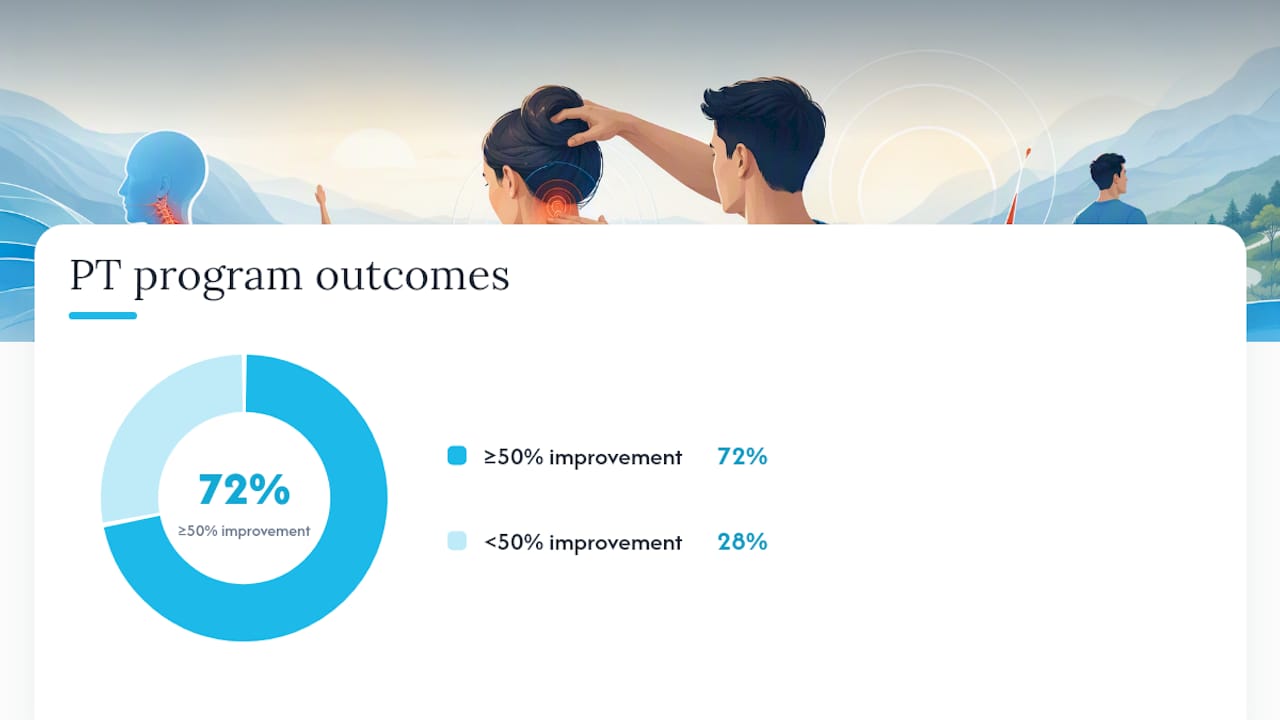
Timelines matter here because expectations shape whether people stick with treatment. Harvard Health reports that roughly 72% of patients who completed a six-week physical therapy program cut their headache frequency by half or more at the 12-month mark. That’s a meaningful number, but it also means results build over weeks, not overnight, and some patients notice a temporary flare in symptoms early on as tissues adapt to new movement patterns. An early flare isn’t a sign the plan failed.
Pro Tip: Ask any prospective clinician directly whether they use SNAGs or graded mobilization for cervicogenic headache, and how many cervicogenic cases they’ve treated. A provider who can answer specifically, rather than generically, is more likely to get you results in a reasonable timeframe.
Provider selection matters as much as the technique itself. Skill level changes outcomes with manual therapy more than with most other conservative treatments, and clinicians who favor low-force mobilization when appropriate tend to have fewer adverse events than those who default to high-velocity manipulation on every patient. If you’re weighing options for neck pain and its causes, ask specifically about cervical manual therapy experience before booking.
Do Medications and Injections Actually Help?
Medication has a real but limited role in cervicogenic headache treatment. Acetaminophen and NSAIDs can blunt an acute flare and make it easier to tolerate physical therapy sessions, but neither one corrects the joint or muscle dysfunction causing the pain. Short-term muscle relaxants sometimes help during an acute flare, though relying on them for weeks at a stretch tends to mask a problem that needs mechanical treatment instead.
Neuropathic agents like gabapentin or pregabalin show inconsistent results. Some patients with a nerve-irritation component respond well; others see little change. These medications are worth discussing with a prescriber for specific cases, not something to expect broad relief from.
Interventional options sit a step beyond medication and PT, and they split into two categories that get confused constantly:
- Diagnostic blocks (single injection, confirms the cervical source, effect often temporary)
- Therapeutic blocks and steroid injections (aim for weeks to months of relief, sometimes repeated)
- Radiofrequency ablation (targets the nerve supplying a confirmed pain generator, considered when blocks give clear, repeated relief but symptoms keep returning)
A key insight here: diagnostic and therapeutic injections aren’t just pain relief in isolation. Cutting pain enough to let a patient fully participate in active rehab, according to StatPearls, is one of the more practical reasons clinicians reach for a block before or during a physical therapy course rather than waiting for PT to work on its own. Radiofrequency ablation is generally reserved for patients who’ve already shown a strong response to diagnostic blocks but need longer-lasting relief than repeated injections provide, and it’s typically considered only after conservative care has had a fair trial.
When Is Surgery Considered for Neck-Origin Headaches?
Surgery is rare for cervicogenic headache, and that’s by design, not oversight. It only enters the conversation when imaging reveals a structural problem serious enough to warrant it: significant cervical instability, nerve root compression causing neurologic deficits, or a lesion that manual therapy and injections simply can’t address.
Procedures like cervical fusion or surgical decompression exist for these specific cases, but the evidence base for surgery as a treatment for the headache itself, rather than for the underlying structural problem, is thin. Surgery carries real risks, including infection, reduced mobility, and the possibility that headache symptoms persist even after a technically successful operation.
Anyone facing this decision benefits from multidisciplinary review, meaning a pain specialist, a physical therapist, and a spine surgeon all weigh in, not just the surgeon alone. Most patients who reach this stage have already tried physical therapy, medication, and injections without adequate relief. Surgery sits at the far end of the treatment ladder, not somewhere to start.
What Can You Do at Home Right Now?
Self-care won’t replace physical therapy, but it can reduce how often attacks hit and how bad they get while you’re working with a clinician. Here’s what to try:
- Apply local heat to the base of the skull and upper neck for 15 to 20 minutes to ease muscle guarding before gentle movement.
- Correct sustained posture throughout the day, especially at a desk or on a phone, since forward-head positioning loads the exact joints causing your pain.
- Do gentle range-of-motion work, slow chin tucks and controlled neck rotations, well short of any painful end range.
- Add scapular activation drills, gentle shoulder blade squeezes, to reduce the load your neck muscles are compensating for.
- Adjust your sleep setup, a supportive pillow that keeps your neck neutral rather than flexed or extended all night.
Small ergonomic changes compound. A monitor set too low, a chair with no neck support, or a pillow that’s too thick or thin can undo a week of progress in physical therapy. If you want structured home exercises to bring into a session, a safe exercise plan for neck relief gives you a starting point.
Pro Tip: Stop and get checked immediately if a headache comes on suddenly and severely, especially after any neck trauma, or if you notice slurred speech, vision changes, or weakness on one side. Those aren’t cervicogenic headache signs. They’re signs of a vascular event, and they need emergency care.
Who Should You See First, and What Should You Ask?
Start with a physical therapist experienced in cervical manual therapy, or your primary care provider if you’re not sure where to begin. Escalate to a pain specialist if six to eight weeks of quality PT hasn’t moved the needle, or to a spine surgeon only if imaging shows a structural problem serious enough to justify that conversation.
Before booking, ask a few direct questions:
- Do you use SNAGs or graded mobilization specifically for cervicogenic headache?
- How many cervicogenic cases have you treated, and what’s the typical timeline for improvement?
- What’s your approach to high-velocity manipulation versus lower-force mobilization?
- What are the realistic risks, and how do you screen for them before treating?
Red flags that override this whole plan and mean urgent care, not a scheduled appointment: sudden “worst headache of my life” pain, any focal neurologic sign, or symptoms suggesting a cervical artery dissection. Guidance on cervical manipulation safety notes that high-velocity techniques carry a rare but real risk of arterial injury, which is exactly why a provider’s preference for gentler mobilization, when clinically appropriate, is worth asking about upfront.
Integrating Hands-On Care With Rehab: A Clinical View
Hands-on soft-tissue work and structured exercise aren’t competing approaches. They work best paired. Releasing restricted fascia and joint restrictions first often lets a patient tolerate strengthening and motor-control work that would otherwise stay too painful to do correctly.
Recovery timelines are realistic, not instant. Most patients need several weeks of consistent care before frequency and intensity meaningfully drop, and a short-term flare during that window doesn’t mean the plan is failing. The goal is functional: getting back to work, training, or normal activity without the neck dictating the schedule.
— Chris
How The Tx Room Approaches Neck-Origin Headaches
If manual therapy and mobilization are the evidence-backed starting point for cervicogenic headache, the question becomes finding a clinician who actually practices that way instead of defaulting to the same generic adjustment for every patient. Thetxroom in Plano treats these cases using the Fascial Distortion Model, a hands-on approach that targets restricted fascia and soft tissue directly rather than relying on repeated high-velocity manipulation alone.

A first visit typically includes a focused history, a hands-on exam of cervical mobility and pain provocation, and treatment aimed at the specific tissue or joint pattern driving your symptoms. From there, most patients move into a cadence of follow-up sessions paired with targeted exercise, mirroring the manual-therapy-plus-active-rehab model the evidence supports. If your neck pain has been showing up as headaches, chiropractic care built around fascia work paired with rehab is worth a direct evaluation rather than another round of guesswork. Call to schedule an initial assessment and find out whether your neck is the source.
This article is general information, not a substitute for advice from a qualified doctor. Consult a qualified healthcare professional about your own circumstances before acting on anything here.
Sources
- Comparative safety and efficacy of manual therapy interventions for cervicogenic headache: a systematic review and network meta-analysis — Frontiers in Neurology
- Cervicogenic Headache: What It Is, Symptoms & Treatment — Cleveland Clinic
- Cervicogenic Headache — StatPearls (NCBI Bookshelf)
- A headache that starts in your neck — Harvard Health
- ICHD-3 — Cervicogenic headache (11.2.1)
FAQ
How do you get rid of a cervicogenic headache fast?
Local heat at the base of the skull, gentle chin tucks and neck rotation, and correcting your posture can ease an acute flare, but lasting relief comes from targeted manual therapy and exercise, not a single fast fix.
What is a red flag for a cervicogenic headache?
Sudden, severe “worst headache of my life” onset, focal neurologic signs like slurred speech or one-sided weakness, or headache following neck trauma are red flags that call for emergency evaluation, not routine treatment.
What medicine is best for cervicogenic headaches?
Acetaminophen and NSAIDs are the safest short-term options for acute flares, while gabapentin or pregabalin help some patients with a nerve-irritation component, but no medication corrects the underlying cervical dysfunction.
What are the trigger points for cervicogenic headaches?
The upper cervical joints (C1 through C3), the suboccipital muscles at the base of the skull, and the upper trapezius are the most common areas where pressure reproduces the headache pattern.
Is chiropractic care safe for cervicogenic headache?
Lower-force mobilization techniques like SNAGs carry a favorable safety profile in skilled hands, though high-velocity manipulation carries a rare risk of arterial injury, so ask any provider about their approach before treatment begins.