
Sesamoiditis Treatment: A Step-by-Step Recovery Plan
If you’re feeling sharp or aching pain under the ball of your foot near the big toe, stop the activity causing it now. The most effective sesamoiditis treatment follows a clear sequence: offload the sesamoid immediately, control inflammation, and work through a staged conservative plan before considering anything more invasive. Most people recover without surgery, but only if they respect the timeline.
Here’s what to do in the first 48–72 hours:
- Stop running, jumping, dancing, or any push-off activity that loads the forefoot.
- Offload the sesamoid with a stiff-soled shoe, a felt donut pad, or a metatarsal pad placed just behind the ball of the foot. A walking boot works for more severe pain.
- Apply ice for 15–20 minutes several times a day and elevate the foot when resting.
- Take an over-the-counter NSAID (ibuprofen or naproxen) for short-term pain and inflammation control, following label directions.
- Seek medical evaluation if the pain is sharp, focal, and came on suddenly — that pattern can indicate a sesamoid fracture rather than simple inflammation, and the two require different management. Self-care steps like these are the right starting point, but a clinician should confirm the diagnosis.
Table of Contents
- What is sesamoiditis and why does it happen?
- What are the symptoms, causes, and risk factors?
- How do clinicians diagnose sesamoiditis?
- What does stepwise conservative sesamoiditis treatment look like?
- What physical therapy and exercises help sesamoiditis recovery?
- When are injections or procedures the right call?
- What is a realistic recovery timeline?
- How do you prevent sesamoiditis from coming back?
- What does the 2025 systematic review say about effectiveness?
- Key Takeaways
- How Thetxroom approaches sesamoiditis
- Thetxroom: hands-on sesamoiditis care in Plano
- Useful sources and further reading
What is sesamoiditis and why does it happen?
Sesamoiditis is inflammation or overload of the sesamoid bones and the tendons that surround them, located directly under the first metatarsal head at the base of the big toe. Two small bones, the medial and lateral sesamoids, sit embedded in the flexor hallucis brevis tendon. They act as pulleys, increasing the mechanical advantage of the tendon during toe push-off and absorbing a significant share of forefoot load with every step.
Because they sit at a high-pressure point, they are vulnerable to cumulative stress. Repetitive plantar flexion, footwear that shifts load onto the forefoot (high heels, thin flexible soles), and any activity that demands frequent toe-off can irritate the sesamoid-tendon interface over time. The result is localized pain that worsens with activity and often lingers well after you stop.
What are the symptoms, causes, and risk factors?
Typical symptoms include:
- Localized pain directly under the big toe joint, often described as a bruised or aching sensation
- Pain that spikes during push-off, going up stairs, or walking barefoot on hard floors
- Swelling and point tenderness when you press directly on the sesamoid area
- Stiffness in the big toe joint, especially first thing in the morning
Common causes:
- Overuse from running, ballet, or court sports that involve repeated toe-off
- A sudden spike in training volume without adequate adaptation time
- High heels or thin-soled shoes that concentrate pressure under the forefoot
- Biomechanical factors such as forefoot varus, hallux limitus, or a prominent first metatarsal head
Who’s most at risk:
- Runners, dancers, and athletes in sports requiring frequent sprinting or jumping
- People with limited ankle dorsiflexion or a tight calf-Achilles complex, which shifts load forward onto the forefoot
- Those with a prior forefoot injury or a naturally high arch
- Anyone who has recently increased activity intensity without a gradual build-up
How do clinicians diagnose sesamoiditis?
Diagnosis starts with a focused history and physical exam. A clinician will ask about activity type, footwear, and when pain started, then palpate directly over each sesamoid to localize tenderness. Pain with resisted flexion of the big toe and discomfort during passive dorsiflexion are both consistent findings. Gait assessment and a look at your footwear wear patterns round out the picture.
Imaging follows a logical sequence. Weight-bearing X-rays come first to check for fracture and to identify a bipartite sesamoid (a naturally two-part bone that can be mistaken for a fracture). When soft-tissue detail matters or an occult stress fracture is suspected, MRI is the preferred next step. Ultrasound is useful for real-time assessment of tendon involvement and for guiding injections. CT is reserved for complex fracture geometry.
Differential diagnosis matters here. Conditions that mimic sesamoiditis include sesamoid stress fracture, turf toe, metatarsalgia, gout, osteonecrosis of the sesamoid, and hallux rigidus. A stress fracture in particular can present almost identically to sesamoiditis on clinical exam, which is why imaging is not optional when pain is focal and severe. When in doubt, get imaging and consider a referral to a foot and ankle specialist before committing to a treatment plan.
What does stepwise conservative sesamoiditis treatment look like?
Conservative, nonoperative care is the standard first-line approach, and the evidence supports starting there regardless of how long symptoms have been present. The key is applying multiple strategies simultaneously rather than trying one thing at a time.
Footwear and offloading
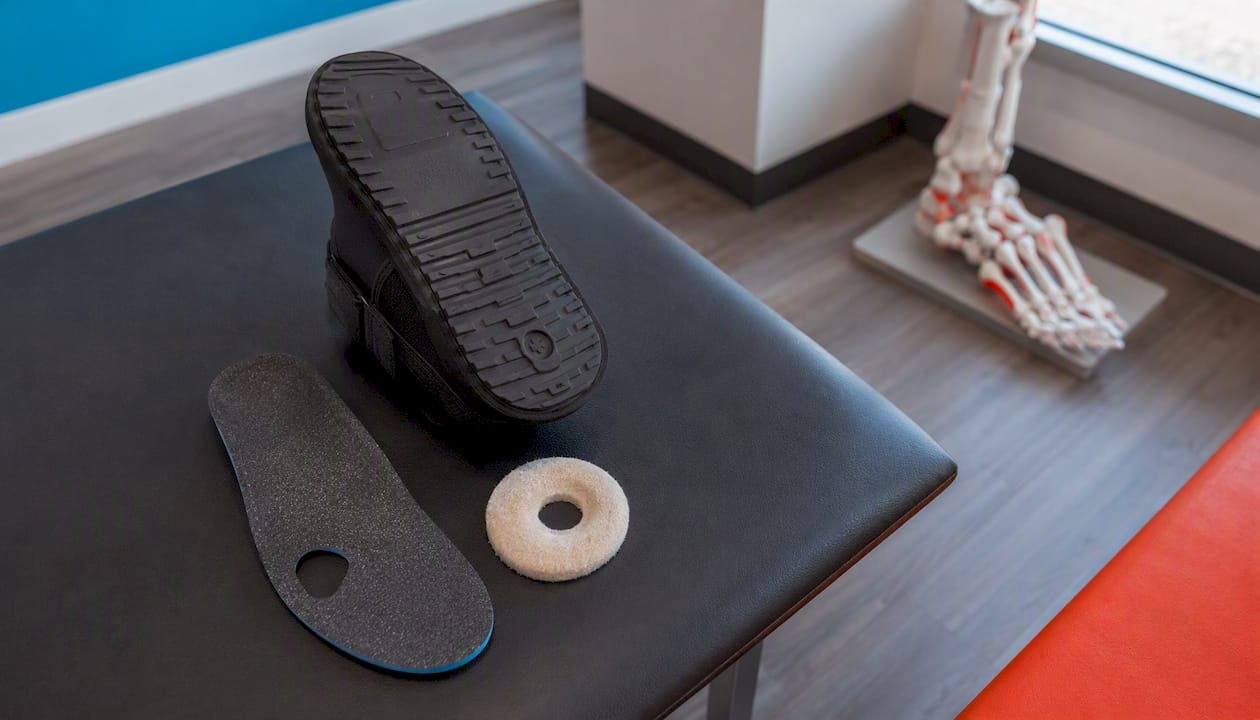
Switch immediately to a stiff-soled shoe or a rocker-bottom sole that limits big-toe dorsiflexion during the push-off phase. A felt donut pad or metatarsal pad placed just proximal to the sesamoids redistributes plantar pressure away from the painful area. Custom or over-the-counter orthoses with a sesamoid relief cutout are a step up from simple padding and are worth pursuing early, particularly for athletes. The MSD Manual places footwear modification and orthotics at the top of the treatment hierarchy for exactly this reason.
Immobilization when needed
For moderate-to-severe pain, a stiff-soled surgical shoe or a controlled ankle motion (CAM) walking boot reduces load more reliably than padding alone. Temporary non-weightbearing with crutches is appropriate when pain is severe enough to cause a significant limp or when fracture has not yet been ruled out. Studies in the systematic literature review used short leg casts, boot walkers with crutches, and stiffened offloading insoles as part of reported conservative protocols.
Medications and modalities
NSAIDs provide symptomatic relief during the acute phase. Ice and elevation reduce swelling. Neither addresses the underlying mechanical problem, so they work best as adjuncts to offloading rather than standalone treatments. Physical therapy and manual therapy follow once acute pain is controlled.
When to escalate
If structured conservative care over 6–8 weeks produces no meaningful improvement, the next step is typically an image-guided corticosteroid injection or a specialist referral. The Cleveland Clinic outlines this same progression: rest and offloading first, then strapping and orthotics, then physical therapy, with injection and surgery reserved for cases that fail the earlier steps.
| Intervention | Mechanism | Expected Short-Term Effect |
|---|---|---|
| Stiff-soled shoes / rocker sole | Limits big-toe dorsiflexion at push-off | Reduces sesamoid loading with each step |
| Felt pad / metatarsal pad | Redistributes plantar pressure proximally | Immediate pain reduction during walking |
| Custom orthosis with sesamoid cutout | Offloads sesamoid across full gait cycle | Sustained pressure relief; supports rehab |
| CAM boot / surgical shoe | Near-complete forefoot immobilization | Rapid pain control for moderate-to-severe cases |
| NSAIDs (short course) | Reduces prostaglandin-mediated inflammation | Symptomatic relief within days |
| Image-guided corticosteroid injection | Targeted anti-inflammatory effect | Short-to-medium-term pain relief when conservative care stalls |
What physical therapy and exercises help sesamoiditis recovery?
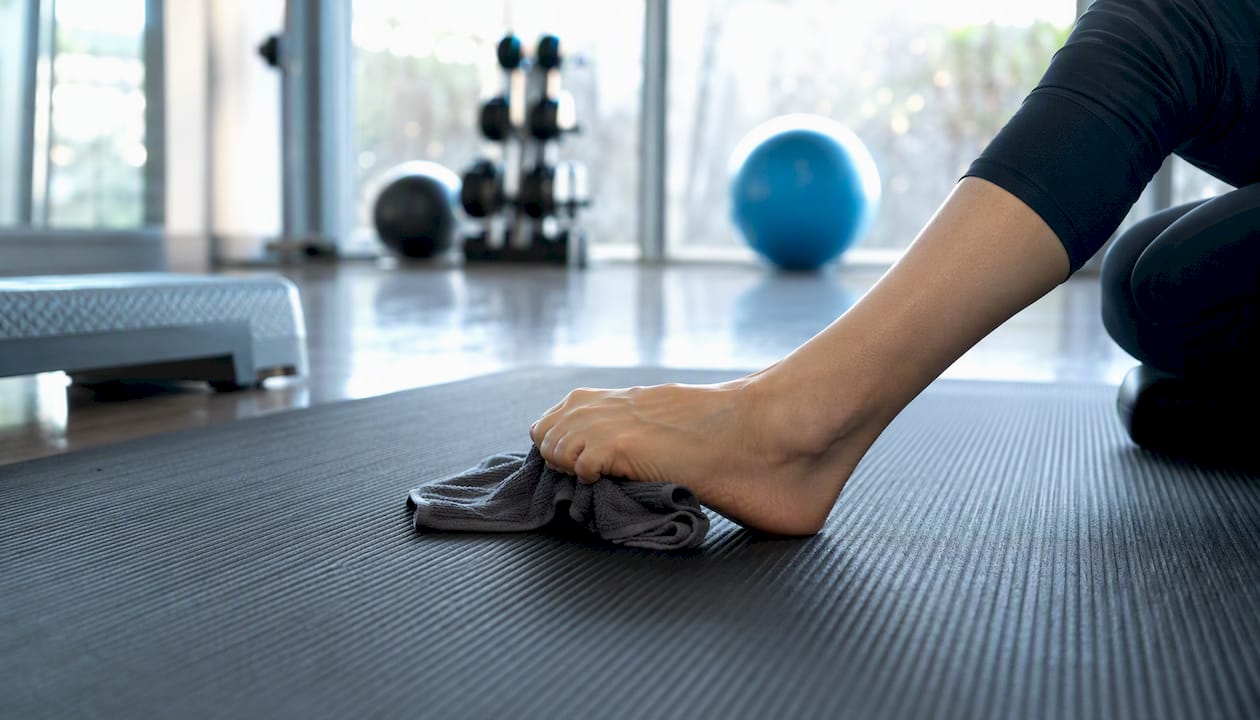
Rehabilitation follows a clear progression. Jumping straight into strengthening before the sesamoid is adequately offloaded is one of the most common mistakes, and it sets recovery back by weeks.
When are injections or procedures the right call?
Corticosteroid injections are typically delivered under ultrasound guidance to place the medication precisely at the sesamoid-tendon interface. They provide short-to-medium-term pain relief and are most useful when conservative care has stalled after 6–8 weeks of structured effort. The risks are real: repeated injections carry a risk of fat pad atrophy under the forefoot and, less commonly, tendon weakening. One injection, well-timed, is a reasonable tool; serial injections are not.
Biologic options such as platelet-rich plasma (PRP) or concentrated bone marrow aspirate are used selectively for recalcitrant cases. The evidence base is still emerging, and these are not standard first- or second-line options. They are worth discussing with a foot and ankle specialist if conventional care and a single corticosteroid injection have both failed.
Surgery is a last resort. Sesamoidectomy (partial or complete removal of one sesamoid) is considered only when pain is function-limiting after exhaustive nonoperative care, or when a fracture is displaced and non-healing. The MSD Manual notes that surgery is controversial because removing a sesamoid permanently alters forefoot biomechanics, potentially shifting load to adjacent structures and creating new problems. That consequence alone justifies exhausting every conservative option first.
What is a realistic recovery timeline?
Mild cases with prompt offloading can improve meaningfully within a few weeks. Most symptomatic cases, particularly those involving athletes or people who continued activity after pain started, take several months to fully resolve. A nondisplaced sesamoid fracture can take up to six months to heal with conservative care. NHS guidance is direct on this point: there is no quick fix, and expecting one leads to premature return and recurrence.
Use this checklist before returning to full activity:
- Pain-free walking on flat ground for at least two weeks without any increase in symptoms
- No swelling or tenderness on direct palpation of the sesamoid after a trial of low-impact activity
- Completion of sport-specific loading drills at moderate intensity without pain during or after
- Clinician clearance for graded return, with protective orthotics still in place
Returning to full activity the moment sharp pain resolves is the single most common cause of recurrence. The sesamoid may feel fine at rest while still being vulnerable under load. Graded progression, continued offloading during the early return phase, and patience are what separate a clean recovery from a cycle of flare-ups.
How do you prevent sesamoiditis from coming back?
Prevention is mostly about managing load and footwear consistently, not just during flare-ups.
Footwear: Wear stiff-soled shoes or rocker-bottom soles for any sustained push-off activity. Avoid prolonged use of high heels, minimalist shoes, or thin flexible soles that concentrate pressure under the forefoot. If you run or dance regularly, a sesamoid relief orthosis worn routinely is a reasonable long-term investment.
Training load: Follow a gradual mileage or intensity increase of no more than 10% per week. Build in scheduled rest days. Cross-train with low-impact activities to maintain fitness without accumulating forefoot stress. Runners who shorten their stride and increase cadence slightly reduce peak forefoot loading per step.
Biomechanics: Maintain calf and Achilles flexibility with regular stretching. Address any hallux range-of-motion deficit or forefoot mechanics issue with a clinician before it becomes a recurring problem. Injury prevention habits that include load management and mobility work are directly applicable here, especially for athletes returning from a sesamoid injury.
What does the 2025 systematic review say about effectiveness?
The 2025 systematic literature review published in Medicina pooled individual-level data across available studies on conservative sesamoiditis treatment. The headline finding: about two-thirds of patients reported substantial pain relief with conservative care. Orthotic offloading and corticosteroid injections were the most consistently beneficial interventions for short-term relief. Among athletic patients, however, only around 45% returned to sport pain-free in some reported series, underscoring that outcomes are meaningfully worse when the return-to-activity bar is set higher.
The review’s honest conclusion is that the evidence base is still thin. Small studies, inconsistent protocols, and differing outcome measures make it hard to say definitively which conservative intervention works best for which patient. That heterogeneity is precisely why individualized, stepwise care is the clinical consensus rather than a single prescribed protocol.
Major clinical references align on the same framework. AAOS/OrthoInfo and the Cleveland Clinic both recommend conservative-first management, escalation only after structured failure, and surgery as a genuine last resort. Patient compliance with true offloading, not just reduced activity, is the factor AAOS identifies as most critical to avoiding progression to stress fracture.
Key Takeaways
Conservative sesamoiditis treatment works best when offloading starts immediately, progresses through a structured stepwise plan, and allows months rather than weeks for full recovery.
| Point | Details |
|---|---|
| Offload first | Stiff-soled shoes, metatarsal pads, or a CAM boot are the highest-impact early steps. |
| Follow the stepwise plan | Footwear and orthotics first, controlled immobilization if needed, then physical therapy before considering injection. |
| Expect a long timeline | Mild cases may improve in weeks; most symptomatic cases take several months, especially in athletes. |
| Graded return prevents recurrence | Returning at the first sign of pain relief is the leading cause of relapse; use protective orthotics during early return. |
| Thetxroom offers hands-on care | Thetxroom in Plano provides FDM therapy, targeted offloading plans, and individualized rehab for sesamoid injuries. |
How Thetxroom approaches sesamoiditis
At Thetxroom in Plano, the first visit for a sesamoid injury focuses on three things: confirming the diagnosis, implementing an immediate offloading plan, and identifying the biomechanical contributors that caused the problem in the first place. That last part is where most generic advice falls short. Padding alone does not fix a tight calf complex or a hallux range-of-motion deficit that is quietly overloading the sesamoid with every step.
The hands-on treatment model at Thetxroom uses the Fascial Distortion Model (FDM) to address the soft-tissue restrictions around the first metatarsal and the flexor tendons. FDM treats the specific distortion pattern present rather than applying a generic protocol, which means the manual therapy is targeted to what is actually limiting function in your foot. Myotherapy and joint mobilizations work alongside a clinician-directed exercise progression to restore mechanics and load tolerance progressively.
The goal is to shorten the time to pain-free function, not just manage symptoms. Staged return-to-activity with follow-up appointments reduces the recurrence risk that catches so many people off guard after a sesamoid injury. Athletes in Plano dealing with overuse and load management issues have found this model effective for getting back to sport without the cycle of flare-ups that comes from returning too early.
If you are in the Plano area and dealing with persistent forefoot pain, contact Thetxroom for an evaluation.
Thetxroom: hands-on sesamoiditis care in Plano
Sesamoiditis does not resolve on its own if the underlying mechanics are not addressed. Rest and padding help, but they do not fix the biomechanical pattern driving the problem. Thetxroom offers something more targeted: a focused clinical exam, an immediate offloading strategy, and a combination of FDM manual therapy and exercise prescription designed specifically for your foot and your activity level.
You will leave the first visit with a clear plan, not a generic handout. The clinic’s range-of-motion restoration approach is directly applicable to the hallux mobility deficits and soft-tissue restrictions that keep sesamoiditis coming back. Whether you are a runner, a dancer, or someone whose foot simply hurts walking to the car, the care is tailored to what you actually need to do.
Book an evaluation at Thetxroom in Plano and get a concrete path back to pain-free movement.
Useful sources and further reading
The following sources informed this article and are worth reviewing directly, particularly if you are preparing for a clinical visit or want to discuss treatment options with your provider:
- Conservative Treatment of Sesamoiditis: A Systematic Literature Review with Individual-Level Pooled Data Analysis
- Sesamoiditis and Sesamoid Fracture – OrthoInfo – AAOS
- Sesamoiditis – Rheumatology and Orthopedics – MSD Manual Professional Edition
- Sesamoiditis: What It Is, Symptoms & Treatment
- Pain in your big toe – sesamoiditis – Bradford District Care NHS Foundation Trust
- Sesamoiditis Treatment & Exercises for Forefoot Pain
- How to Treat Sesamoiditis at Home – OrthoBethesda
This article provides general health information and is not a substitute for professional medical advice. Confirm your diagnosis and treatment plan with a qualified clinician, particularly if you suspect a fracture or if symptoms do not improve with initial conservative measures.