
Chiropractic Aftercare: What to Do After Your Adjustment
Good chiropractic aftercare is simple: drink water, keep moving gently, skip heavy lifting and hard workouts for the first day or so, and tell your chiropractor how you felt afterward. Mild soreness, stiffness or tiredness is common. Most of these effects go away within 24 hours. This guide covers what is normal, what helps, what to hold off on, and which symptoms need a phone call or an emergency room. It also covers how aftercare changes if you are an athlete, a desk worker, a parent or a student.
TL;DR
- Mild soreness, stiffness, a headache or tiredness can follow an adjustment. Most of it fades within about 24 hours, and some people feel it for a few days.
- For the first day, walk, hydrate and move smoothly. Hold off on heavy lifting and intense training until your chiropractor clears you.
- Use ice or gentle heat for comfort, and keep the area moving rather than resting it completely.
- Severe or worsening pain, numbness, weakness, trouble speaking or seeing, or loss of bowel or bladder control are not normal. Seek urgent care.
- Aftercare differs by problem. Tell us what you do for work and sport so your plan fits your life.
Table of Contents
- What is normal after a chiropractic adjustment
- What to do in the first 24 hours
- What to avoid right after an adjustment
- Aftercare between visits
- Aftercare by situation
- When to call a professional
- Our perspective on aftercare
- Treatment options that come with their own aftercare
- Book a visit in Plano
- FAQ
- Sources
What is normal after a chiropractic adjustment
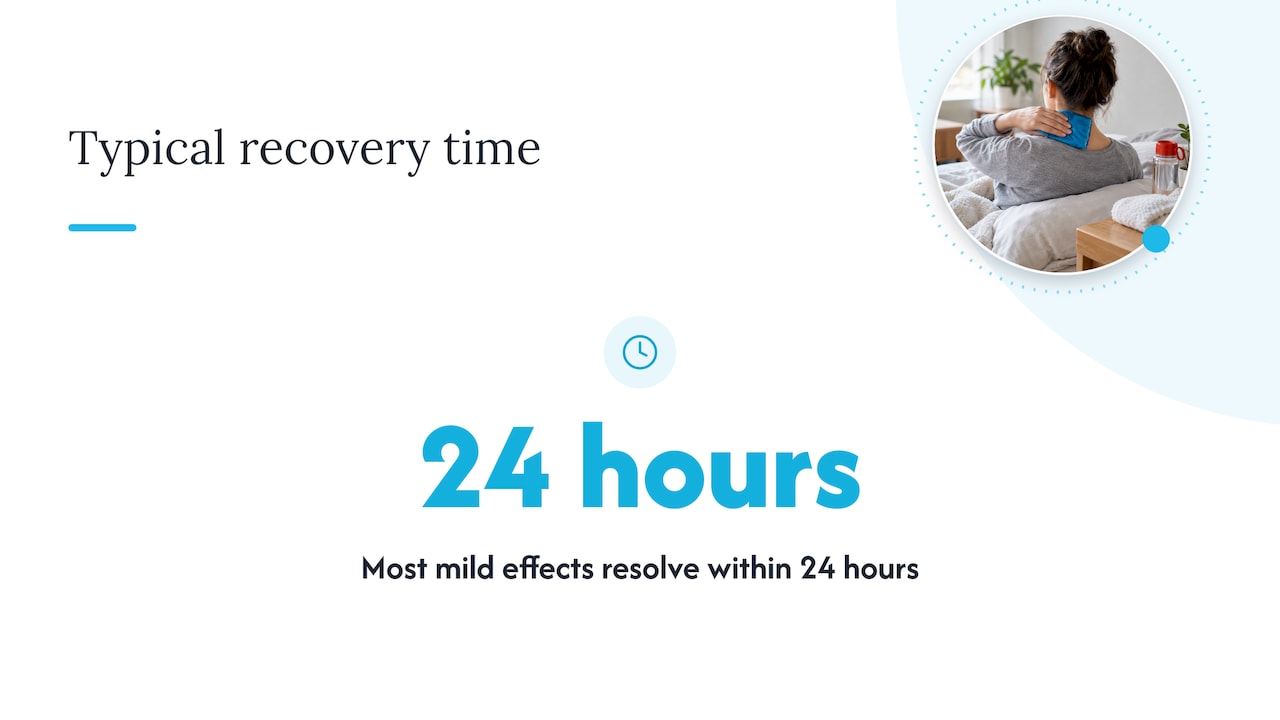
The body often reacts to a hands-on treatment the way it reacts to an unfamiliar workout. The National Center for Complementary and Integrative Health (NCCIH) says transient mild-to-moderate effects, most often increased pain or discomfort, stiffness or headache, can follow spinal manipulation or mobilization. Most resolve within 24 hours.
A prospective study of chiropractic patients found that reactions typically started and ended shortly after treatment, usually gone by the next day. Local discomfort was the most common reaction. Pain elsewhere, fatigue and headache each showed up in roughly one in ten reactions. The same authors noted that reactions were reported more often early in a series of visits and by people with long-lasting problems.
A survey analysis of manual therapy patients describes most responses as benign and self-resolving within 24 to 48 hours, including soreness, stiffness and tiredness.
Is tiredness after an adjustment normal?
Yes. MedlinePlus notes that some people feel achy, stiff and tired for a few days after manipulation. Plan a lighter evening if you can. A short walk and an earlier bedtime are usually enough.
A quick guide to what you might feel
| What you notice | How common it is | Typical timing | What to do |
|---|---|---|---|
| Soreness or stiffness in the treated area | Most common | Hours to about 24 to 48 hours | Walk, hydrate, ice or gentle heat |
| Tiredness | Common | Up to a few days | Rest, hydrate, easy evening |
| Mild headache | Common | Usually within a day | Water, rest, posture breaks |
| Pain in a new area | Less common | Usually within a day | Note it and tell your chiropractor |
| Dizziness, numbness or weakness | Reported in older-adult reviews | Do not wait it out | Call your provider; urgent care if severe |
A 2026 systematic review of chiropractic care in adults over 55 found mostly mild to moderate events, such as soreness, stiffness, fatigue, headache, dizziness, numbness and weakness. It also noted that studies define adverse events inconsistently. That is one more reason to report anything unusual to your provider instead of guessing.
MedlinePlus also says the manipulation itself should not be painful. If something hurts during a visit, say so right then.
What to do in the first 24 hours
Think of the first day as a gentle landing. These steps are the common-sense ones most clinicians give, and they fit what most patients tolerate well.
- Drink water. Hydration supports normal muscle function, and it is an easy habit that costs nothing.
- Walk. Ten to twenty minutes of easy walking keeps the area from stiffening. Aim for smooth, even movements rather than twisting or jerking.
- Use ice or heat for comfort. If the area feels sore, ice for about 20 minutes at a time, with a cloth between ice and skin, is a common choice. Some people prefer gentle warmth. Use whichever feels better and stop if the skin looks irritated.
- Mind your posture. Break up long sitting with a stand-and-reset every 30 to 45 minutes. Keep your screen at eye level and your feet on the floor.
- Sleep well. Use a pillow that keeps your neck in line with your spine. Side sleepers can place a pillow between the knees.
- Keep notes. Write down what you felt, when it started and when it faded. This helps your chiropractor adjust the plan at your next visit.
If soreness is the main complaint, a guide to relief options for sore muscles covers the same kind of delayed-onset soreness that follows a new workout, and explains what tends to help.
What to avoid right after an adjustment
- Heavy lifting. Skip big deadlifts, moving furniture and carrying a heavy toddler car seat up stairs if you can get help. Many offices suggest waiting a day or two.
- Intense workouts. Hold off on max-effort training, long runs and high-impact classes until your chiropractor says you are ready. A light walk, easy bike ride or mobility work is usually fine.
- Long static positions. Hours in the car or hunched over a laptop undo the loosening you just got.
- Sudden twisting. Golf swings, pickleball lunges and fast spins ask a lot of a newly mobile area.
- Pushing through sharp pain. Soreness that eases with movement is different from sharp pain that gets worse.
The exact limit depends on what was treated and why. A routine spinal adjustment for stiffness is different from soft tissue work on an injured tendon. Ask before you leave: “What can I do tonight, tomorrow and this week?”
Aftercare between visits
The days between appointments matter as much as the appointment. Your chiropractor may give you a short plan with these pieces:
- Targeted movement. A few simple exercises, done daily, that keep the gains from the visit. Short and consistent beats long and occasional.
- Activity pacing. Return to sport or heavy work in steps, for example 50% of your usual load, then 75%, then full, if symptoms stay quiet.
- Ergonomic tweaks. Chair height, monitor position, backpack straps and shoe choice.
- Stretching that fits the problem. Stretching is not one-size-fits-all. Our own view is in our post on stretching.
- Follow-up visits. Keeping your scheduled visits lets us see how your body is responding and change the plan early.
For injury prevention habits that carry over from visit to visit, see how to avoid back injury.
Aftercare by situation
Not everyone needs the same plan. Here is how we think about the main groups we see in Plano.
Athletes recovering from sports injuries
The goal is to stay active without re-irritating the tissue. That usually means swapping high-impact training for low-load work for a short window, then rebuilding. If you have a tendon problem, our page on tendinitis care explains how we approach it. Tell us your training calendar so we can plan around a race or a game day.
Chronic pain
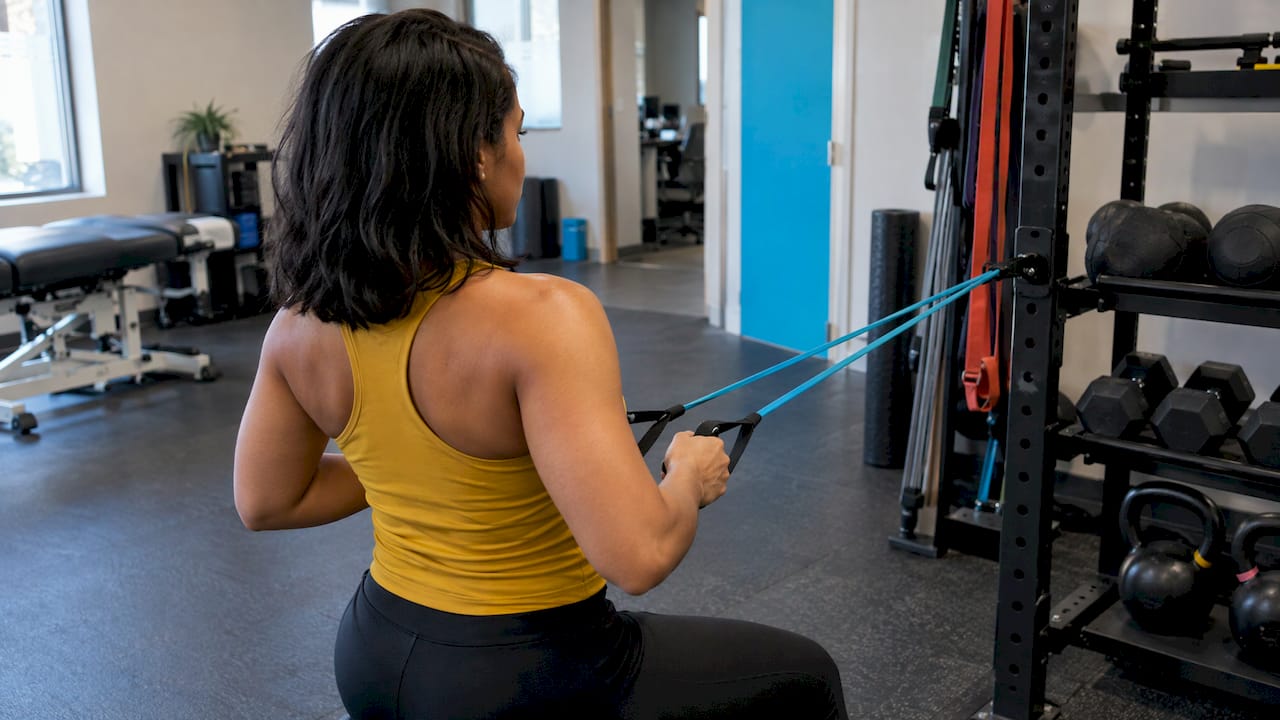
People with long-standing problems tend to report more post-treatment reactions early in a series, according to the prospective study mentioned above. That does not mean something is wrong. It means a gentle pace, steady hydration and honest notes on how you feel matter even more.
Repetitive strain and desk work
The fix is partly outside the clinic. Micro-breaks, a neutral wrist position, and changing tasks through the day protect your progress. We can look at how you actually sit, type and lift, then give you two or three changes that fit your job.
Posture problems in students
Backpacks, laptops and phones add up. Short movement breaks every half hour, a bag worn on both shoulders and a few daily mobility drills usually go further than any single visit.
Parents on the move
Parents rarely get to rest after a visit. Plan around it: ask for help with lifting that day, use a carrier that spreads the load, and keep the post-visit routine to a few minutes you can really do. We also see families through chiropractic care for kids and care during pregnancy, where the aftercare advice is different, so tell us if either applies.
Older adults
If you are over 55, take the research above seriously and report dizziness, numbness or weakness promptly. Coverage questions come up too. For Medicare patients, this overview of chiropractic Medicare coverage explains how to avoid denials and surprise bills.
When to call a professional
Most aftereffects are minor. A few signs are not.
Call your chiropractor or primary care provider the same day if:
- soreness is getting worse after 48 hours instead of better
- you have pain in a new place that does not ease
- headaches are severe or keep returning
- tingling or numbness appears or spreads
Call 911 or go to the emergency room if you have:
- sudden trouble speaking, face drooping, arm weakness, loss of balance or vision changes (stroke warning signs)
- sudden severe headache or neck pain unlike anything before
- loss of bowel or bladder control, or numbness in the groin or inner thighs
- sudden severe weakness in a leg
NCCIH says that while rare strokes involving neck arteries have been reported after spinal manipulation, it is unclear whether manipulation causes them. The practical lesson is to act fast on any of these symptoms, never wait to see if they pass.
NCCIH also advises telling your chiropractor about all your health conditions, medications and supplements. That screening is part of safe care, and it is the best way to set aftercare that fits you. If you want to know how we prepare and what happens at the first appointment, read about your first chiropractic visit, and about training and safety.
Our perspective on aftercare
Most aftercare problems begin with a mismatch: the treatment was one thing and the person’s week was another. A parent who lifts a toddler 30 times a day and a runner training for a half marathon need different instructions after the same visit, so we give different instructions.
At The Tx Room we work hands-on. We use the Fascial Distortion Model, myotherapy and individualized rehabilitation plans to treat soft tissue injuries, biomechanical imbalances and chronic pain, including cases that have not improved with standard approaches. Because our work is aimed at restoring how you move, we care about what happens between visits. Our plans are designed to get you back to your active life sooner, and aftercare is how that plan holds.
Our advice is to tell us what you felt, even if it seems small. A note about a headache or a tight calf lets us adjust the next session. Patients who do that, and who follow a short plan, are the ones we can help most efficiently.
Chris
Treatment options that come with their own aftercare
Our services are hands-on, and each comes with simple guidance for afterward. Depending on your problem, your plan may include:
- Fascial Distortion Model treatment for soft tissue injuries
- Dry needling
- Deep tissue laser therapy
- Focused shockwave (MyACT)
- Active release treatment
- Myofascial release
Each one has its own recovery pattern, so your aftercare will be specific to the treatment you receive.
Book a visit in Plano
If pain, an old injury or a nagging strain is keeping you from your routine, we can examine you, explain what we find and give you a clear aftercare plan for the days that follow. Our care covers athletes and non-athletes, and we accept self-pay and insurance.

See our chiropractic and soft tissue care in Plano and request an appointment. Bring your questions about aftercare and we will answer them before you leave.
FAQ
How long does soreness last after a chiropractic adjustment?
For most people, soreness fades within about 24 hours. Some research describes up to 24 to 48 hours, and MedlinePlus notes some people feel achy for a few days. If it is getting worse after two days, call your provider.
Can I exercise after seeing a chiropractor?
Light movement such as walking is usually fine and often helps. Hold off on heavy lifting and hard workouts for a day or two unless your chiropractor tells you otherwise. Athletes should ask for a return-to-training plan based on the injury treated.
Should I use ice or heat after an adjustment?
Either can be used for comfort. A common approach is ice for about 20 minutes with a cloth barrier, and some people prefer gentle warmth. Choose what feels better, and stop if your skin is irritated or the pain worsens.
Is a headache or dizziness after an adjustment normal?
A mild headache is among the reactions NCCIH lists as common. Dizziness has been reported in reviews of older adults, so tell your provider about it. A sudden severe headache, or dizziness with speech, vision or balance changes, needs emergency care.
Sources
- Spinal Manipulation: What You Need To Know, NCCIH
- Chiropractic care for back pain, MedlinePlus
- Side effects of chiropractic treatment: a prospective study, PubMed
- Symptoms patients receiving manual therapy experienced, PMC
- Adverse events among older adults receiving chiropractic care, PubMed